

Is your Bluetooth not working? Are you experiencing Bluetooth connection problems? A malfunctioning Bluetooth connection can be incredibly frustrating, preventing you from using wireless headphones, speakers, keyboards, mice, and other Bluetooth devices. Whether you’re using a Windows PC, a Mac, an Android device, or an iOS device, this article provides comprehensive Bluetooth troubleshooting steps to help you diagnose and fix the most common Bluetooth issues.
From simple checks like ensuring Bluetooth is enabled to more advanced solutions such as updating drivers and resetting Bluetooth settings, we’ll cover a range of Bluetooth fixes. We’ll address problems like Bluetooth not connecting, Bluetooth pairing issues, Bluetooth audio cutting out, and general Bluetooth connectivity problems. Learn how to resolve your Bluetooth woes quickly and efficiently with our detailed guide.
Identifying the Bluetooth Issue
Before diving into solutions, it’s crucial to pinpoint the source of your Bluetooth problem. This will save you time and effort. Start by asking yourself these key questions:
Is Bluetooth Enabled?
It may seem obvious, but ensure Bluetooth is activated on both your device and the device you’re trying to connect to. Look for the Bluetooth icon in your system tray or settings menu. Verify it’s turned on.
Is the Device Discoverable?
Many Bluetooth devices need to be in “pairing mode” or “discoverable” to be seen by other devices. Refer to your device’s manual for instructions on how to enable this mode. This often involves holding down a button for a few seconds.
Distance Between Devices
Bluetooth has a limited range, typically around 30 feet. Ensure your devices are within range of each other. Obstacles like walls can also reduce the effective range.
Common Bluetooth Problems and Solutions
Several common issues can disrupt your Bluetooth connection. Here are some troubleshooting steps to address them:
Pairing Issues
If your device isn’t pairing, ensure both devices are discoverable. Check your device’s manual for specific instructions on enabling pairing mode. Sometimes, forgetting the device from your Bluetooth list and re-pairing can resolve the issue.
Connection Drops
Intermittent connection drops can be frustrating. Ensure the devices are within range, typically around 30 feet. Physical obstructions like walls can also weaken the signal. Try moving the devices closer together.
Audio Issues
If you’re experiencing audio problems, check the volume levels on both devices. Make sure the correct Bluetooth device is selected as the audio output on your source device. If using headphones, try disconnecting and reconnecting them.
Checking Bluetooth Device Compatibility
Before delving into complex troubleshooting, ensure your Bluetooth device is compatible with your computer or smartphone. Bluetooth technology has evolved over the years, and older devices may not support the latest Bluetooth versions or profiles required by newer accessories.
Check the manufacturer’s specifications for both your device and the Bluetooth accessory. Look for the supported Bluetooth versions. For example, a Bluetooth 5.0 device might have issues connecting to a device that only supports Bluetooth 4.0 or older, particularly with advanced features or profiles.
Also, verify the Bluetooth profiles are compatible. Profiles are sets of functionalities that dictate how a device uses Bluetooth. For instance, a headset requires the Hands-Free Profile (HFP) or Headset Profile (HSP), while a keyboard needs the Human Interface Device Profile (HID). If the profiles don’t align, the devices might pair but not function correctly.
Restarting Your Devices
Sometimes, the simplest solution is the most effective. Restarting your devices can often resolve temporary glitches that interfere with Bluetooth connectivity. This applies to both your Bluetooth device (headphones, speaker, etc.) and the device you’re trying to connect it to (phone, computer, etc.).
Restarting Your Bluetooth Device
Many Bluetooth devices have a power button or a reset sequence. Consult your device’s manual for specific instructions. If your device has a built-in battery, try turning it off, waiting a few seconds, and then turning it back on. If it has removable batteries, remove them, wait, and then reinsert them.
Restarting Your Phone or Computer
Restarting your phone or computer can clear temporary data and refresh the Bluetooth connection. The process varies depending on your operating system. Typically, this involves holding down the power button and selecting the restart option.
Updating Bluetooth Drivers
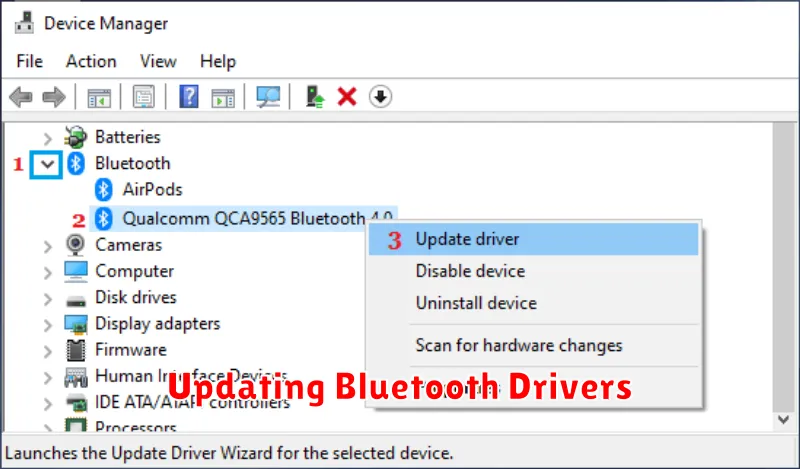
Outdated or corrupted Bluetooth drivers can often lead to connection problems. Keeping them up-to-date is crucial for optimal performance. Here’s how to update your Bluetooth drivers:
Windows
Open the Device Manager (search for it in the Windows search bar). Expand the Bluetooth category. Right-click on your Bluetooth adapter (it might have a name like “Intel(R) Wireless Bluetooth(R)”) and select “Update driver.” Choose the option to “Search automatically for drivers.” Windows will search for and install the latest drivers if available.
macOS
macOS typically updates Bluetooth drivers along with system updates. Ensure your macOS software is the latest version by checking System Preferences > Software Update. If your Bluetooth device is from a third-party manufacturer, check their website for specific driver updates.
Linux
Updating Bluetooth drivers on Linux varies depending on your distribution. Consult your distribution’s documentation for specific instructions. Often, updating through the package manager (e.g., apt, yum) will update Bluetooth drivers as well.
Advanced Troubleshooting Tips for Bluetooth Connectivity
If basic troubleshooting steps haven’t resolved your Bluetooth issues, try these more advanced techniques.
Check for Driver Updates
Outdated or corrupted Bluetooth drivers can cause connectivity problems. Visit your computer or device manufacturer’s website to download and install the latest Bluetooth drivers. Ensure you select the correct drivers for your specific operating system.
Perform a Clean Boot
Sometimes, background applications can interfere with Bluetooth operation. Performing a clean boot starts your system with minimal programs, helping isolate if a conflicting application is the culprit.
Run the Bluetooth Troubleshooter
Windows and some other operating systems offer built-in troubleshooters. Access the Bluetooth troubleshooter through your system settings. It can automatically detect and sometimes fix underlying Bluetooth issues.
Contacting Support for Bluetooth Issues
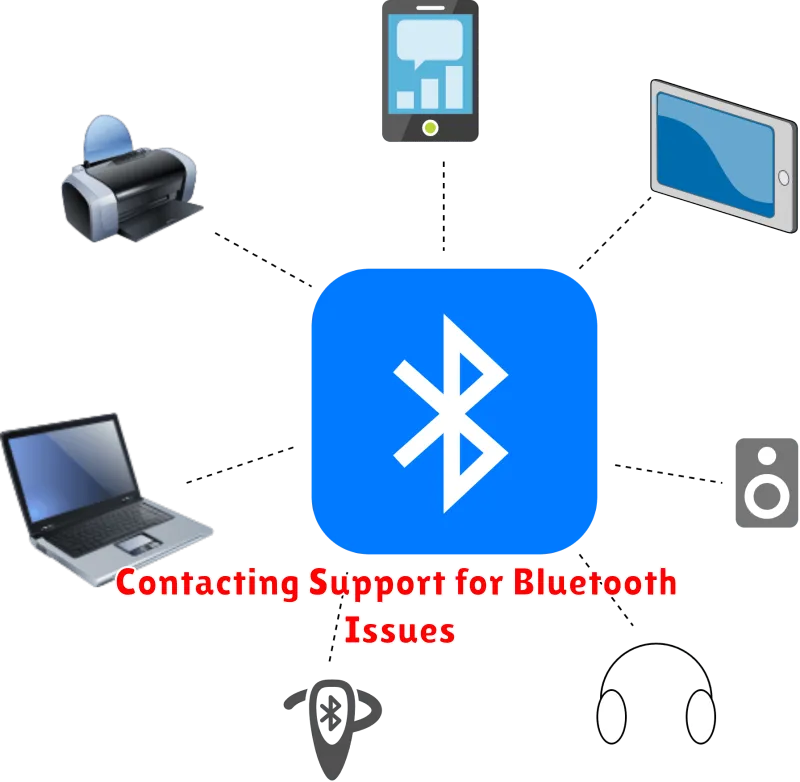
If you’ve exhausted all troubleshooting steps and your Bluetooth is still not functioning correctly, it’s time to contact support. Depending on your device and its manufacturer, there are several avenues you can explore.
Device Manufacturer Support: If the issue seems related to your device’s hardware or software, contacting the device manufacturer directly is your best option. Check their website for contact information, including phone numbers, email addresses, or live chat support. Be prepared to provide details about your device model, operating system version, and the troubleshooting steps you’ve already taken.
Operating System Support: If you suspect the problem lies within your operating system (e.g., Windows, macOS, Android, iOS), contacting the operating system’s support team can be helpful. They may have specific insights or updates related to Bluetooth functionality.
Accessory Manufacturer Support: If the issue is related to a specific Bluetooth accessory, like headphones or a keyboard, contacting the accessory manufacturer’s support is recommended. They can provide device-specific troubleshooting advice or offer warranty support if necessary.
