
Are you constantly bombarded by a barrage of app notifications? Do you find yourself endlessly scrolling through a never-ending stream of alerts, updates, and reminders, leaving you feeling overwhelmed and distracted? If so, you’re not alone. The constant buzz and chime of our devices have become a ubiquitous source of interruption, hindering productivity and disrupting our focus. This article provides a comprehensive guide on how to tame the notification frenzy and regain control over your digital well-being by learning how to disable app notifications effectively. We will explore the various methods for managing app notifications, from silencing specific apps to customizing alert settings, empowering you to create a more peaceful and productive digital environment.
Reclaiming your attention starts with understanding how to manage app notifications. This guide will empower you to disable app notifications strategically, allowing you to prioritize what truly matters. Whether you’re aiming to minimize distractions, improve focus, or simply regain a sense of calm amidst the digital noise, learning how to control app notifications is essential. From understanding notification settings on different operating systems to employing best practices for notification management, this article will equip you with the knowledge and tools you need to silence the digital clamor and take charge of your digital life. Say goodbye to the notification frenzy and hello to a more focused and productive you.
Understanding App Notifications
App notifications are messages that apps send to inform you about updates, alerts, or other information, even when you’re not actively using the app. They appear on your device’s lock screen, notification center, or as banners at the top of your screen. While notifications can be useful, excessive or irrelevant notifications can quickly become overwhelming and distracting.
Types of App Notifications
- Push Notifications: These are sent from a server to your device, often used for news updates, social media activity, or game alerts. They can arrive at any time.
- Local Notifications: These are scheduled and triggered by the app itself on your device, such as reminders or calendar alerts.
The Impact of Notifications
Excessive notifications can lead to notification fatigue, causing you to miss important alerts or simply ignore all notifications. This can also negatively impact productivity and focus.
Managing Notifications on Android
Android offers granular control over app notifications. The process may vary slightly depending on your device’s manufacturer and Android version, but the general principles remain consistent. Here’s a common approach:
From the Settings app:
- Open the Settings app on your device.
- Locate and select Apps or Apps & notifications.
- Choose the specific app for which you wish to manage notifications.
- Select Notifications.
- You’ll then see various options. You can typically disable all notifications entirely or customize which notification categories are allowed (e.g., calls, messages, reminders). You can also often customize the notification behavior, such as sound, vibration, and appearance on the lock screen.
From a notification directly:
Alternatively, you can often adjust notification settings directly from a notification. Long-press on a notification from a specific app. This typically reveals quick settings to either silence future notifications from that app or to access the full notification settings.
Customizing App Notifications on iOS
iOS offers granular control over app notifications, allowing you to tailor alerts to your preferences. Instead of completely disabling notifications, you can customize how they appear and behave.
Access notification settings by going to Settings > Notifications. Here, you’ll find a list of apps that have requested permission to send notifications. Select an app to customize its alert style.
Alert Styles: Choose from three main alert styles: Banners appear briefly at the top of the screen and disappear automatically. Alerts require interaction before they dismiss. Lock Screen notifications appear on your lock screen.
Other Customization Options: iOS also allows you to toggle sounds, badges (the red number on the app icon), and the “Show Previews” setting, which controls whether notification content is visible on the lock screen.
By adjusting these settings, you can fine-tune your notification experience without completely silencing important apps.
Disabling Notifications for Specific Apps
Sometimes, you only want to silence certain noisy apps while still allowing notifications from others. Most operating systems allow granular control over notifications on a per-app basis. This allows you to customize your notification experience and prioritize what you see.
The process for disabling notifications from specific apps is generally similar across different platforms, though the exact steps may vary. Typically, you’ll need to access your device’s settings, find the notifications section, and then locate the app you wish to manage. From there, you can toggle notifications off completely or customize the type of alerts you receive, such as sounds, badges, or lock screen appearances. This targeted approach ensures you stay informed by the apps you care about without being overwhelmed by unnecessary alerts.
Troubleshooting Notification Issues
Sometimes, even after adjusting notification settings, you might still encounter problems. This section offers solutions to common notification troubleshooting issues.
Notifications Not Appearing
If you’re not receiving expected notifications, verify the app’s notification settings are enabled both within the app and your device’s settings. Ensure Do Not Disturb or similar modes are deactivated. Check your internet connection, as some apps require an active connection for notifications. Finally, restart your device; this can often resolve temporary software glitches.
Notifications Delayed or Arriving in Bunches
Delayed notifications can result from power-saving modes or background data restrictions. Check these settings and adjust them if necessary. If notifications arrive in bunches, your device may be optimizing battery usage by delivering them less frequently. Explore battery optimization settings for your device and adjust them accordingly.
Advanced Notification Settings
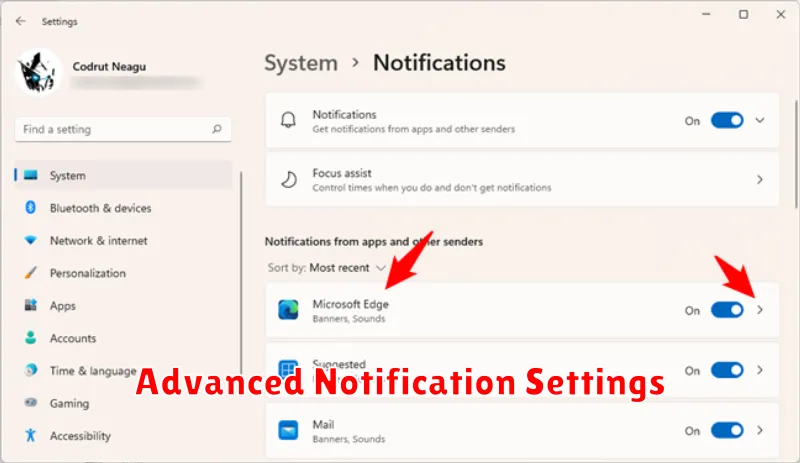
Beyond simply enabling or disabling notifications, most operating systems offer granular control over how apps deliver alerts. These advanced settings can help you fine-tune your notification experience without completely silencing an app.
Notification Channels (Android): Android allows apps to categorize their notifications into different channels. This enables you to customize the importance and behavior of each notification type. For example, you might allow sound for direct messages but silence notifications for news updates within the same app. Explore your device’s settings to find app-specific notification channels.
Notification Categories (iOS): Similar to Android’s channels, iOS allows apps to categorize notifications. You can customize alert styles, sounds, and banner behavior for each category. Check the Notifications section within an app’s settings in iOS to manage these preferences.
Delivery Time Settings: Some operating systems allow you to schedule when you receive notifications. This can be useful for batching less urgent updates during specific times, minimizing distractions throughout the day. Check your device’s notification settings for “Scheduled Summary” or similar options.
Best Practices for Managing App Notifications
Regularly Review App Permissions: Don’t just set it and forget it. Periodically review which apps have notification permissions. Disable notifications for apps you rarely use or those whose notifications don’t provide valuable information.
Customize Notification Categories: Many apps offer granular notification control. Instead of completely disabling notifications, explore the app’s settings to customize which types of notifications you receive. This allows you to stay informed about important updates while filtering out less relevant ones.
Establish “Quiet Hours”: Designate specific times, such as during sleep or work, when notifications are silenced or minimized. Most operating systems offer built-in features like “Do Not Disturb” or “Focus Mode” to facilitate this.
Prioritize Visual Cues: For less urgent notifications, consider using subtle visual cues like badge app icons instead of disruptive sounds or banners. This provides a less intrusive way to stay aware of updates without constant interruptions.
