
Is your computer running slower than a snail? Are you constantly bombarded with low storage warnings? The culprit might be lurking unseen: your system cache. This often-overlooked digital debris can significantly impact your system’s performance and storage capacity. In this comprehensive guide, we will delve into the intricacies of clearing system cache on various operating systems, empowering you to reclaim valuable disk space and restore your computer’s speed.
Learn how to effectively manage and clear your system cache, addressing both temporary files and more persistent cached data. We’ll explore the benefits of regular cache clearing, including improved system responsiveness, increased storage availability, and a smoother overall computing experience. This guide offers practical steps for optimizing your system performance by addressing the often-ignored issue of system cache accumulation.
Understanding System Cache and Its Impact
System cache plays a crucial role in improving the performance and responsiveness of your Android device. It stores temporary files, like images and web data, allowing your device to quickly access frequently used information without needing to reload it each time.
Imagine it like a shortcut. Instead of retrieving a large file from storage every time you open an app, the system retrieves a smaller, readily available copy from the cache. This significantly speeds up loading times and reduces the strain on your device’s resources.
However, over time, this cached data can accumulate and begin to consume significant storage space. A bloated cache can eventually lead to decreased performance, as the system struggles to manage the excessive files. It can also cause apps to malfunction or crash.
Cache management is, therefore, essential for maintaining optimal device performance. Regularly clearing the cache helps free up valuable storage space and ensures smooth operation.
Benefits of Clearing Cache
Clearing your system cache can offer several performance and storage advantages. Over time, cached data can become outdated or corrupted, leading to slower processing speeds and app malfunctions.
Removing this redundant data can free up valuable storage space on your device. This is particularly beneficial for devices with limited internal storage.
Clearing cache also helps to protect your privacy. Cached data can sometimes contain sensitive information, and clearing it regularly can mitigate the risk of data leaks.
Furthermore, clearing cache can resolve app issues. If an app is behaving erratically, clearing its cache can often resolve the problem by forcing it to load fresh data.
Finally, a clean cache can improve overall system responsiveness. By removing outdated and unnecessary files, your device can operate more efficiently and smoothly.
Different Types of Cache on Android
Android utilizes several types of cache to optimize performance. Understanding these distinctions can help you make informed decisions about cache management.
App Cache
Each app on your device maintains its own cache of temporary files. This includes images, videos, and other data frequently accessed by the app. Clearing app cache can free up storage space and resolve app-specific issues.
System Cache
The system cache stores temporary files used by the Android operating system itself. This cache plays a role in overall system performance and smoothness.
Browser Cache
Similar to app cache, your web browser stores frequently accessed website data like images and scripts. Clearing browser cache can help resolve website display problems and free up some space.
DNS Cache
The DNS cache stores Domain Name System records, mapping website names (like google.com) to their corresponding IP addresses. Clearing the DNS cache can resolve website connection issues.
Step-by-Step Guide to Clearing App Cache
Clearing your app cache can often resolve performance issues and free up valuable storage space. Follow these steps to clear the cache for all apps on your Android device:
- Open the Settings app on your device.
- Navigate to Storage.
- Look for an option labeled “Cached data” or similar. The exact wording may vary depending on your Android version and device manufacturer.
- Tap on “Cached data.”
- A confirmation dialog will appear, informing you that this will clear cached data for all apps. Tap “OK” or “Clear” to proceed.
Please note that this process only clears the cache, not the app data itself. Your app settings and login information will be preserved.
Clearing Cache for Individual Apps
Sometimes, clearing the entire system cache might not be necessary. If you’re experiencing issues with a specific app, like slow performance, freezing, or unexpected crashes, clearing that app’s individual cache can often resolve the problem. This is a more targeted approach that allows you to retain cached data for other apps, preserving their speed and functionality.
The process for clearing individual app caches varies slightly depending on your Android version and device manufacturer. However, the general steps are similar.
General Steps to Clear Individual App Cache:
- Open the Settings app on your device.
- Navigate to Apps or Application Manager (the name may vary).
- Locate the specific app you want to clear the cache for from the list of installed apps.
- Tap on the app to open its App info screen.
- Look for an option labeled Storage or Storage & cache and tap on it.
- You should see buttons for Clear cache and Clear storage. Tap on Clear cache.
Remember that clearing an app’s cache only removes temporary files. Clearing storage, on the other hand, will delete all app data, including saved settings, login information, and downloaded content. So proceed with caution when using the “Clear storage” option.
Using System Tools to Clear Cache
System cache plays a crucial role in enhancing performance. However, over time, it can consume significant storage space and potentially lead to slowdowns. Clearing your system cache regularly can help reclaim storage and maintain optimal speed.
Most operating systems provide built-in tools to manage and clear system cache. Disk Cleanup (Windows) is a valuable utility for removing temporary files, including system cache. Access it by searching for “Disk Cleanup” in the Start Menu. Select the drive you wish to clean and check the boxes for the types of files to remove. System files often hold the largest amount of cache data.
On macOS, using the Storage Management tool can help identify and remove unnecessary system data. This tool offers an overview of storage usage and provides options to optimize storage, including clearing system caches.
For Linux systems, the methods for clearing cache can vary depending on the distribution. However, using the terminal often provides the most control. The ‘sync’ command ensures all data is written to disk before proceeding. Then, commands like ‘echo 3 > /proc/sys/vm/drop_caches’ can be used to clear page cache, dentries and inodes. Exercise caution when using these commands and ensure you understand their function before execution.
How to Clear Browser Cache

Clearing your browser cache can significantly improve browsing speed and resolve website display issues. The process varies slightly depending on the browser you’re using.
Clearing Cache in Chrome
In Google Chrome, click the three vertical dots (More) in the upper right corner. Navigate to “More tools” and then select “Clear browsing data.” Choose a time range, ensure “Cached images and files” is checked, and click “Clear data.”
Clearing Cache in Firefox
In Mozilla Firefox, click the three horizontal lines (Menu) in the upper right corner. Select “Settings,” then “Privacy & Security.” In the “Cookies and Site Data” section, click “Clear Data.” Ensure “Cached Web Content” is checked and click “Clear.”
Clearing Cache in Safari
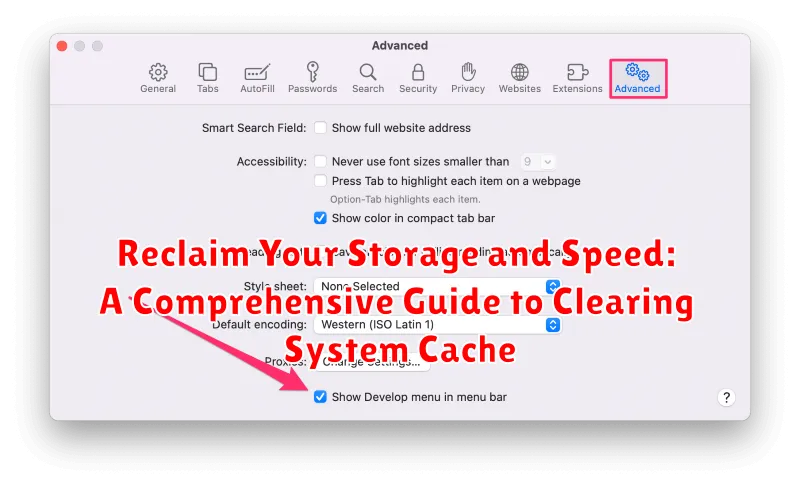
For Safari users on macOS, go to “Safari” in the menu bar and select “Preferences.” Click the “Privacy” tab and then “Manage Website Data.” Select “Remove All.” In newer Safari versions, the process may involve enabling the “Develop” menu in Safari preferences, then selecting “Empty Caches” from the Develop menu.
Clearing Cache in Microsoft Edge
In Microsoft Edge, click the three horizontal dots (More) in the upper right corner. Select “Settings,” then “Privacy, search, and services.” Under “Clear browsing data,” click “Choose what to clear.” Select a time range, ensure “Cached images and files” is checked, and click “Clear now.”
Advanced Cache Clearing Methods (Root Required)
For users with rooted Android devices, more comprehensive cache clearing methods are available. These methods offer greater control over system cache, but require caution as improper execution can lead to system instability.
Warning: Modifying system partitions requires root access and carries inherent risks. Proceed with caution and ensure you have a backup before attempting any of these methods. We are not responsible for any damage caused by these actions.
Using a Terminal Emulator
A terminal emulator allows direct access to the system’s command-line interface. You can use commands like rm -rf /cache/* to clear the cache partition. However, double-check the command before executing it to avoid deleting essential system files.
Custom Recovery Options
Many custom recoveries (like TWRP or CWM) offer options to wipe the cache partition directly from their interface. This is generally a safer method than using the terminal emulator, as the recovery environment typically has built-in safeguards.
Troubleshooting Common Cache Issues
Occasionally, you might encounter issues even after clearing your system cache. This section outlines some common problems and their solutions.
Cache Not Clearing Completely
If you’ve followed the steps to clear your cache, but storage space hasn’t been freed up, there could be several reasons. Corrupted system files can interfere with cache clearing processes. Running a system file checker can often resolve this. Another possibility is incorrect permissions preventing the system from accessing and deleting cache files. Review your user account permissions to ensure proper access.
Performance Issues Persist
Sometimes, clearing the cache doesn’t fully resolve performance problems. Background processes consuming significant resources can mimic cache-related slowdowns. Use your system’s task manager to identify and manage these processes. Hardware limitations, such as insufficient RAM or a slow hard drive, can also contribute to persistent performance issues regardless of cache status. Consider upgrading your hardware if necessary.
Apps Still Running Slowly
If individual apps continue to lag after clearing the app cache, corrupted app data might be the culprit. Try reinstalling the affected apps. Conflicting apps can also interfere with each other’s performance. Check for any recently installed apps that might be causing conflicts.
Tips to Prevent Excessive Cache Buildup

Proactively managing your system cache can prevent future storage issues and maintain optimal performance. Here are some practical tips:
Regularly Clear Temporary Files
Temporary files, often associated with installations or downloads, can contribute to cache buildup. Regularly deleting these files through your system’s disk cleanup utility can significantly reduce unnecessary storage consumption.
Manage Browser Data Effectively
Customize your browser settings to control how much cache data is stored. Limit the timeframe for saved browsing data, or consider using privacy-focused browsing modes that minimize cache accumulation.
Uninstall Unused Applications
Applications you no longer use can still retain cached data. Uninstalling these applications will remove their associated cache files and free up storage space.
Mindful App Usage
Some applications are known for generating large cache files. Be mindful of these apps and periodically clear their cache through the app’s settings or your device’s application manager.
