
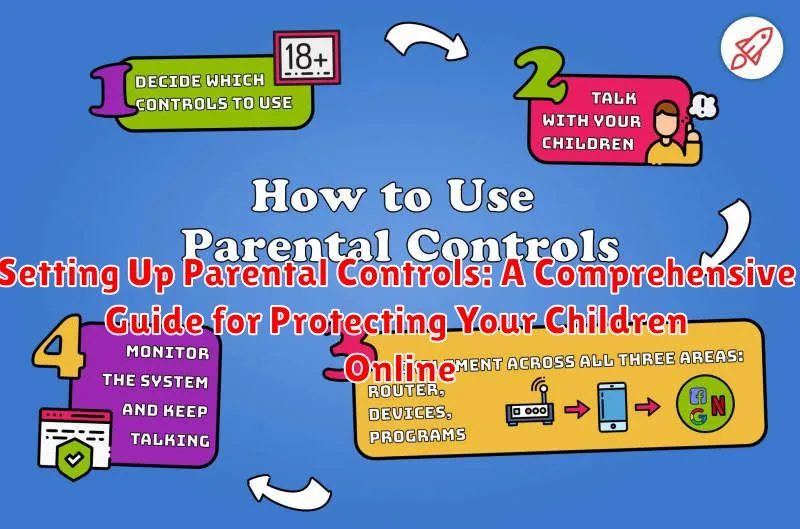
In today’s digitally driven world, ensuring the online safety of our children is paramount. Setting up parental controls is a crucial step in protecting children from the potential dangers of the internet, including exposure to inappropriate content, cyberbullying, online predators, and privacy risks. This comprehensive guide will provide you with the necessary knowledge and tools to establish effective parental controls across various devices and platforms, empowering you to create a safer online experience for your children. Learn how to manage screen time, filter content, monitor online activity, and educate your children about responsible digital citizenship. This guide will cover parental control options for computers, smartphones, tablets, gaming consoles, and popular online services, ensuring a comprehensive approach to online safety.
Navigating the complex landscape of online safety can be challenging for parents. This guide aims to simplify the process of setting up parental controls, offering step-by-step instructions and practical advice for establishing a secure online environment for your children. From understanding the different types of parental control software to configuring individual device settings, this guide will empower you to take control of your children’s digital experience. Protecting your children online is an ongoing process, and this guide will equip you with the knowledge and resources to stay ahead of the curve and adapt to the ever-evolving digital world. Learn how to foster open communication with your children about online safety and create a culture of responsible digital usage within your family.
Understanding the Importance of Parental Controls
In today’s digitally driven world, children are exposed to the internet at increasingly younger ages. While the internet offers incredible educational and entertainment opportunities, it also presents potential risks. Parental controls provide a crucial safety net, helping protect children from inappropriate content, online predators, cyberbullying, and other dangers.
Protecting your child’s online safety is paramount. Parental controls empower you to manage their digital experience, ensuring they are not exposed to harmful material before they are emotionally and developmentally ready. These tools help create a safer online environment where children can learn, explore, and connect with others in a positive way.
Furthermore, parental controls can assist in managing screen time, a growing concern in modern families. Excessive screen time can negatively impact sleep patterns, academic performance, and social skills. By setting limits and schedules, you can foster a healthier balance between online and offline activities.
Choosing the Right Parental Control Software for Your Needs
Selecting the right parental control software is crucial for effective online protection. Consider your family’s specific needs and technical capabilities. Platform compatibility is key; ensure the software works on your children’s devices (Windows, macOS, iOS, Android).
Features vary significantly. Some software focuses on content filtering, blocking inappropriate websites and content. Others provide time management tools, allowing you to schedule screen time limits. Activity monitoring offers insights into your child’s online behavior. Advanced features like social media monitoring and location tracking may be important for older children.
Ease of use is another factor. A user-friendly interface simplifies setup and management. Finally, consider the cost. Some options offer free basic features, while others require a subscription for premium functionality.
Setting Up Parental Controls on Different Devices
Implementing parental controls varies depending on the device your child uses. Here’s a general overview:
Computers (Windows & macOS)
Both Windows and macOS offer built-in parental control features. These allow you to manage screen time, restrict website access, and control application usage. Consult your operating system’s documentation for specific setup instructions.
Mobile Devices (iOS & Android)
iOS and Android provide robust parental control options within their settings. You can restrict app downloads, in-app purchases, and access to specific content. Third-party apps can offer additional control layers.
Gaming Consoles
Most modern gaming consoles (PlayStation, Xbox, Nintendo Switch) have built-in parental control systems. These allow you to manage game ratings, online interactions, and spending limits. Consult your console’s documentation for detailed instructions.
Home Routers
Setting up parental controls on your home router can provide a blanket level of protection across all devices connected to your network. These controls can often filter content and restrict access times network-wide.
Customizing Parental Control Settings for Age-Appropriate Access
Age-based profiles offer a convenient starting point for customization. Most parental control software provides pre-configured settings categorized by age ranges (e.g., toddler, pre-teen, teenager). These profiles typically restrict access to content deemed inappropriate for the specified age group.
However, it’s crucial to fine-tune these settings to match your child’s individual maturity level and specific needs. You can adjust filters for web content, apps, games, and social media platforms.
Consider setting time limits for specific activities or apps. This prevents excessive screen time and encourages a healthy balance between online and offline activities.
Whitelisting and blacklisting are powerful tools. Whitelisting permits access only to specified websites or apps, while blacklisting blocks access to undesirable ones. These options provide granular control over your child’s online experience.
Don’t forget to regularly review and adjust the settings as your child grows and their online needs evolve. Open communication with your child about online safety is vital throughout this process.
Monitoring and Managing Your Child’s Online Activity
While parental control software provides a strong foundation for online safety, active monitoring and ongoing management are crucial. Regularly review your child’s online activity logs provided by the software. This allows you to understand their online habits, identify potential risks, and address any concerning behavior.
Open communication with your child about their online experiences is essential. Encourage them to share what they are doing online and who they are interacting with. Foster a trusting environment where they feel comfortable coming to you with any questions or concerns.
Periodically re-evaluate the effectiveness of your chosen parental control settings. As your child grows and matures, their online needs and responsible use will evolve. Adjust filtering levels, time limits, and access permissions accordingly.
Stay informed about new online trends, platforms, and potential threats. This will help you proactively adapt your parental control strategies and educate your child about online safety best practices.
Tips for Effective Communication with Your Child About Online Safety
Open communication is crucial for online safety. Talk regularly with your child about their online activities, including the websites they visit, the games they play, and the people they interact with.
Emphasize the importance of privacy and explain the risks of sharing personal information online. Teach them to be cautious of online strangers and avoid clicking on suspicious links or downloading unknown files.
Create a safe space for your child to come to you with any online concerns, without fear of judgment or punishment. Let them know you are there to support them if they encounter cyberbullying, inappropriate content, or any other uncomfortable online experience.
Educate them about responsible online behavior, including appropriate language, respectful interactions, and the consequences of cyberbullying. Help them understand the permanent nature of online posts and the potential impact of their digital footprint.
Troubleshooting Common Parental Control Issues
Occasionally, you might encounter issues with your parental control software. Here are some common problems and solutions:
Software Conflicts
Conflicting software can sometimes interfere with parental controls. Check if other security programs or VPNs are causing conflicts. Try temporarily disabling them to see if the issue resolves.
Incorrect Settings
Review your settings carefully. Ensure filters are appropriately configured for your child’s age and maturity level. Incorrect settings can lead to either over-blocking or under-blocking content.
Software Updates
Outdated software can create vulnerabilities. Keep your operating system, browser, and parental control software updated to the latest versions for optimal performance and security.
Child Bypassing Controls
If your child is tech-savvy, they might try to bypass controls. Regularly monitor their activity and have open communication about online safety. Reinforce the reasons for parental controls and the importance of responsible online behavior.
Contacting Support
If you’re still experiencing problems, contact the software’s customer support. They can provide specific guidance based on your software and setup.
Keeping Up with Evolving Online Threats

The online world is constantly changing, with new apps, platforms, and trends emerging regularly. This constant evolution also means that online threats are continuously developing. Staying informed and adapting your parental control strategies is crucial for effective protection.
Regularly review and update your chosen parental control software. Software updates often include improvements to security features and address newly discovered vulnerabilities. Check for updates at least monthly, or enable automatic updates if available.
Stay informed about new online platforms and trends. Ask your children about the apps and websites they’re using and research any that you’re unfamiliar with. Understanding the potential risks associated with each platform will help you make informed decisions about access and usage limits.
Maintain open communication with your child. Encourage them to share any concerning online interactions or content they encounter. Fostering a trusting environment will make them more likely to come to you for help and guidance.
