
In today’s fast-paced digital world, juggling multiple accounts across various social media platforms, messaging apps, and games has become increasingly common. Managing these multiple online personas can be cumbersome and inefficient. This is where the power of dual apps comes into play. Dual apps, also known as app cloners or parallel space apps, allow users to run two separate instances of the same application simultaneously on a single device. This comprehensive guide will delve into the world of dual apps, exploring their benefits, functionality, and how they can streamline your digital life. We’ll cover everything from setting up dual apps to maximizing their potential for both personal and professional use. Whether you’re a social media enthusiast, a mobile gamer, or a business professional, understanding the power of dual apps can significantly enhance your mobile experience.
This guide will unlock the potential of dual apps by examining their diverse applications and addressing common concerns such as security and privacy. Learn how dual apps can help separate your work and personal accounts, manage multiple gaming profiles, and maintain privacy in shared devices. We’ll also provide practical tips and recommendations for selecting the best dual apps based on your specific needs and device compatibility. By the end of this guide, you’ll be equipped with the knowledge and understanding to effectively utilize dual apps and unlock their full potential, ultimately transforming your mobile experience.
Understanding the Benefits of Dual Apps
Dual apps offer a range of advantages for both personal and professional use. They allow you to separate different aspects of your life by maintaining two distinct instances of the same application on a single device. This can be particularly helpful for individuals who manage multiple social media accounts, gaming profiles, or even separate work and personal communication apps.
One key benefit is the enhanced privacy dual apps provide. By utilizing separate accounts, users can effectively isolate sensitive data and communications, preventing potential cross-contamination between profiles. This is especially valuable for those who wish to keep their personal and professional lives distinct.
Improved work-life balance is another advantage. Dual apps enable users to easily switch between work and personal profiles without the need to constantly log in and out of accounts. This streamlined access enhances productivity and reduces the risk of missing important notifications from either profile.
Furthermore, dual apps can be highly convenient for managing multiple accounts associated with different regions or servers, particularly in online gaming. This allows players to experience diverse game environments and connect with broader communities without the hassle of switching devices.
Device Compatibility Check for Dual Apps
Before diving into the world of dual apps, it’s crucial to ensure your device supports this functionality. Not all devices offer built-in dual app capabilities. Compatibility largely depends on the device’s operating system and manufacturer customizations.
Typically, devices running customized versions of Android, such as those from manufacturers like Samsung, Xiaomi, Vivo, Oppo, and Huawei, are more likely to offer dual app features. These manufacturers often integrate dual app support directly into their operating systems. You can usually find this feature in your device’s settings menu, often labeled as “Dual Apps,” “App Twin,” or “App Clone,” depending on the manufacturer.
For stock Android devices, dual app support is not typically a built-in feature. However, some manufacturers may include it in their customized versions. If your stock Android device doesn’t offer this functionality natively, exploring third-party app cloning solutions available on the Google Play Store could be an option. However, exercise caution when using third-party apps and ensure they’re from reputable sources.
To check if your device supports dual apps, navigate to your device’s settings and look for options like “Dual Apps,” “App Twin,” or similar. If such options are present, your device is likely compatible. If not, and you’re running stock Android or an operating system without built-in support, consider researching compatible third-party applications.
Step-by-Step Guide to Enabling Dual Apps Functionality
The process for enabling dual apps varies depending on your device’s manufacturer and operating system. However, the general steps are similar. This guide outlines a common method, but you may need to consult your device’s specific instructions.
Accessing Dual App Settings
Locate the Dual App settings. Typically, this can be found within the main settings menu of your device. Look for terms like “Dual Apps,” “App Twin,” “App Cloner,” or similar. The specific name may differ across manufacturers.
Selecting an App for Cloning
Choose the app you want to duplicate. A list of compatible apps will be displayed. Select the app you wish to create a second instance of. Not all apps support dual app functionality.
Creating the Dual App
Confirm the creation of the dual app. Your device will create a second copy of the selected app. This may take a few moments. The dual app icon will often be marked with a badge or symbol to differentiate it from the original.
Launching the Dual App
Access the dual app from your home screen or app drawer. You can now use the two instances of the app independently with different accounts.
Managing Notifications and Data Usage in Dual Apps
Running two instances of an app can sometimes lead to a surge in notifications and increased data consumption. Effectively managing these aspects is crucial for a smooth dual app experience.
Notification Management: Most devices allow you to customize notification settings for individual apps, including their dual app counterparts. You can typically adjust settings for sound, vibration, and visual alerts. This allows you to silence notifications from one instance while keeping the other active, preventing notification overload.
Data Usage Control: Dual apps, by their nature, consume more data than a single instance. Monitor data usage for each app instance through your device’s settings. Consider restricting background data for one instance, particularly if its usage is less frequent. This prevents unnecessary data consumption while still allowing the app to function when actively used.
Troubleshooting Common Issues with Dual Apps
While dual apps offer significant advantages, users occasionally encounter issues. This section addresses common problems and provides potential solutions.
App Crashes or Freezes
If a cloned app crashes or freezes frequently, try clearing the app’s cache and data. Ensure sufficient storage space on your device. If the issue persists, reinstalling the cloned app might resolve the problem.
Notification Conflicts
Experiencing delayed or missing notifications? Verify notification settings for both the original and cloned apps. Check if Do Not Disturb mode or battery optimization settings are interfering with notification delivery.
Data Synchronization Issues
Some apps may have limitations on data synchronization between the original and cloned versions. Consult the app’s documentation or support for specific instructions or limitations related to dual app usage.
Login Problems
Some apps, especially those with robust security measures, might present login challenges with cloned versions. Ensure you are using the correct login credentials for each instance of the app. If the issue persists, contact the app’s support team for assistance.
Exploring Advanced Features and Settings
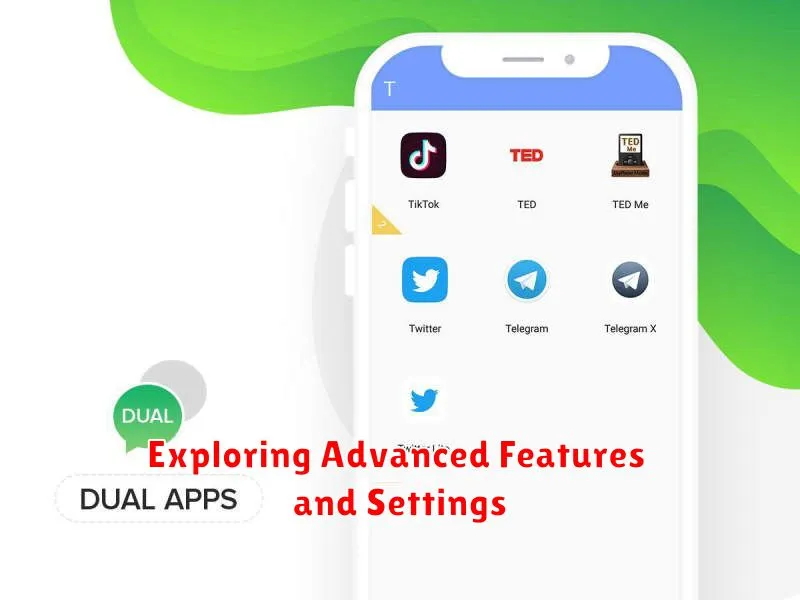
Dual app functionality often extends beyond simple duplication. Many implementations offer advanced features and settings to customize the experience and enhance utility.
Notification Management: Configure how notifications are displayed for each app instance. Options might include separate notification sounds, distinct notification channels, or even the ability to completely silence one instance.
Data Usage Control: Some dual app implementations allow users to specify which instance can access mobile data, Wi-Fi, or both. This feature proves valuable for managing data consumption and potentially restricting background activity for one of the duplicated apps.
Storage Management: Understand how storage is allocated for each app instance. While some systems share storage between instances, others maintain separate data partitions. This impacts how much space each instance can use and how data is backed up.
Privacy Considerations: Explore options for securing each instance individually, such as app locks or distinct biometric authentication methods. This adds an extra layer of security and privacy, particularly when handling sensitive information in one of the dual apps.
Best Practices for Using Dual Apps Securely
Using dual apps enhances productivity, but it’s crucial to prioritize security. Regularly review the permissions granted to each instance of the app. Dual apps often require access to the same data, increasing the potential impact of a security breach.
Strong, unique passwords are essential for each app instance. Avoid using the same password for both accounts. Consider using a password manager to generate and securely store complex passwords. This mitigates the risk if one instance is compromised.
Keep your operating system and dual app software updated. Security patches address vulnerabilities that malicious actors could exploit. Regular updates are crucial for maintaining a secure environment for your dual apps.
Be mindful of the data you access within each app instance. Avoid accessing sensitive information, especially financial or personal data, on a less secure network or using an untrusted dual app version. This precaution helps minimize the risk of data interception.
