
Have you ever wondered if it’s truly safe to use your phone while it’s charging? Many of us are guilty of plugging in our devices and continuing to scroll, game, or chat. This seemingly harmless habit, however, can potentially lead to a number of safety concerns, from overheating and reduced battery lifespan to, in extreme cases, fire hazards. Understanding the intricacies of charging your phone and the potential risks of simultaneous phone usage is crucial for both the longevity of your device and your personal well-being. This guide, “Power Up Safely: Your Guide to Using Your Phone While Charging”, will provide you with the essential knowledge to navigate this common practice safely and effectively. We’ll delve into the science behind charging, debunk common myths, and equip you with the best practices for safe charging habits.
Charging your phone is an integral part of our daily routines, but it’s often overlooked in terms of safety. From selecting the right charger to understanding the implications of using power-intensive applications while charging, there are many factors that contribute to a safe charging experience. This guide will help you understand the potential risks associated with using your phone while charging, including the possibility of overheating, damage to your battery, and even the potential for fire. We’ll address common concerns surrounding phone usage while charging and offer clear, practical advice to help you power up safely. Whether you’re a casual user or a power user, understanding these key principles is vital for maintaining the health of your phone and ensuring your own safety.
Understanding the Risks of Using Your Phone While Charging
While generally safe, using your phone while charging can present some potential risks, especially under certain circumstances. One concern is overheating. Charging generates heat, and combined with the heat produced by active phone usage, temperatures can rise significantly. This can degrade battery performance over time, potentially shortening its lifespan.
Another risk, though less common with reputable chargers, is the use of substandard charging equipment. Faulty chargers or cables can deliver inconsistent power or even overheat, potentially causing damage to the phone or posing a fire hazard. Using your phone intensively while charging with such equipment can exacerbate these risks.
Finally, while extremely rare, there have been isolated incidents of electric shock associated with using damaged charging equipment while the phone is plugged in. While these incidents are often related to counterfeit or severely damaged chargers, they highlight the importance of using approved and undamaged accessories. Always prioritize safety when using your phone while it is connected to a power source.
Best Practices for Safe Charging Habits
Developing safe charging habits is crucial for prolonging your phone’s battery life and ensuring safe operation. Avoid completely draining your battery before plugging it in. Partial charging is preferable to deep discharges.
Unplug your phone once it reaches 100%. Leaving it connected to the charger after it’s fully charged can contribute to long-term battery degradation.
Choose a cool, dry location for charging. Avoid charging your phone on soft surfaces like beds or pillows, which can trap heat. Heat is a major factor in reducing battery lifespan.
Refrain from using resource-intensive applications while charging, especially in hot environments. Activities like gaming or streaming video can generate significant heat, exacerbating the effects of charging.
Establish a regular charging routine. Consistent charging patterns help optimize battery performance. For instance, topping off your battery when it reaches around 20% can be beneficial.
Choosing the Right Charger and Cable
Using the correct charger and cable is crucial for safe and efficient charging. Always opt for chargers and cables that are specifically designed for your phone’s make and model. Using off-brand or incompatible accessories can lead to a variety of issues, including overheating, slow charging, and even damage to your phone’s battery or internal components.
Look for chargers that are certified by reputable organizations. This certification ensures that the charger meets specific safety standards. Similarly, choose high-quality cables that are durable and well-constructed. A frayed or damaged cable can pose a safety hazard and should be replaced immediately.
Consider using your phone’s original charger whenever possible. If a replacement is necessary, choose a charger with the same voltage and amperage output as the original. This information can usually be found on the charger itself or in your phone’s user manual.
Recognizing Signs of Charging Issues: Overheating, Slow Charging, etc.
A properly functioning phone and charger should not exhibit excessive heat or unusually slow charging times. Being able to recognize potential charging issues is crucial for preventing damage to your device and ensuring safe operation. Overheating is a serious sign of a problem. If your phone becomes uncomfortably hot to the touch while charging, immediately disconnect it and investigate the cause. This could indicate a faulty charger, cable, or even a problem with the phone’s battery.
Slow charging can be another indicator of an issue. If your phone takes significantly longer to charge than usual, consider several factors. Check if the charging port is obstructed by debris. A worn-out cable can also cause slow charging. Try a different cable and charger to isolate the problem. If slow charging persists with different accessories, the problem may lie with the phone’s battery or charging circuitry.
Other signs of charging issues include bulging or swelling of the battery (a serious safety hazard), unexpected shutdowns while charging, or the phone not charging at all. If you experience any of these issues, discontinue use of the suspect components and consult a qualified technician.
Tips for Minimizing Battery Strain During Use
Reduce Screen Brightness: Lowering your screen’s brightness significantly impacts battery life. Adjust it to a comfortable yet lower level, especially in well-lit environments.
Manage Background Apps: Close apps running in the background that you aren’t actively using. These apps consume power even when not visible. Regularly check your phone’s settings to manage background app activity.
Limit Location Services: GPS and location services are major battery drains. Restrict location access to only apps that require it, and consider using Wi-Fi positioning when possible.
Turn Off Unused Features: Disable features like Bluetooth, Wi-Fi, and mobile data when you don’t need them. This can significantly reduce battery consumption.
Enable Power Saving Mode: Most phones offer a power saving mode that limits background activity, reduces performance, and dims the screen to extend battery life. Activate this mode when you need to conserve power.
Protecting Your Battery’s Lifespan
Extending the life of your phone’s battery requires understanding a few key practices. Avoid consistently charging your battery to 100% or letting it drain to 0%. These extremes can stress the battery and shorten its lifespan.
Ideally, maintain your battery charge between 20% and 80%. This range minimizes strain and promotes longevity. While convenient, overnight charging can push your battery to 100% for extended periods, contributing to faster degradation.
Temperature also plays a significant role. Avoid exposing your phone to extreme heat or cold while charging, as this can negatively impact battery health. If your phone feels excessively hot while charging, disconnect it and allow it to cool down.
Using the correct charger is essential. Counterfeit or low-quality chargers may not deliver the appropriate power and could damage your battery. Stick to the charger provided by your phone’s manufacturer or a reputable alternative.
Myths and Facts About Charging Your Phone
Several myths surround phone charging practices. Let’s clarify some common misconceptions.
Myth 1: You must fully discharge your phone before charging.
Fact: Modern lithium-ion batteries do not require full discharges. Partial charging is perfectly acceptable and even recommended.
Myth 2: Leaving your phone plugged in overnight damages the battery.
Fact: Once your phone reaches 100% charge, it stops charging. However, trickle charging to maintain 100% can contribute to long-term battery wear.
Myth 3: You must use the charger that came with your phone.
Fact: While using the original charger is often optimal for charging speed, using a reputable third-party charger with compatible specifications is generally safe.
Myth 4: Charging your phone while using it is dangerous.
Fact: Using your phone while charging is generally safe, though it may generate some heat. Excessive heat can contribute to battery degradation over time.
Emergency Procedures for Charging-Related Issues
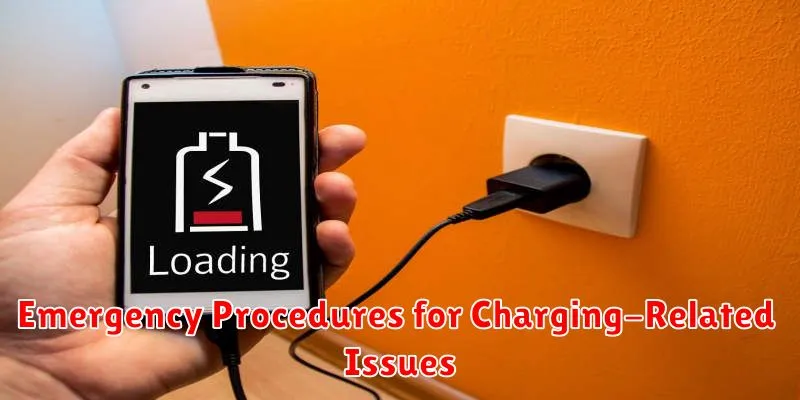
While rare, charging-related emergencies can occur. If you experience any of the following, take immediate action:
Overheating
If your phone or charger becomes excessively hot during charging, immediately unplug it from the power source. Allow the device and charger to cool down completely before attempting to use them again. If the overheating persists, consult a qualified technician or contact your phone’s manufacturer.
Sparks or Smoke
If you see sparks or smoke emanating from your phone or charger, immediately unplug the device from the power source. Do not attempt to use the device or charger again. Contact your phone’s manufacturer or a qualified technician for assistance.
Strange Odors
Unusual or burning smells coming from your phone or charger indicate a potential hazard. Unplug the device immediately and allow it to cool down in a well-ventilated area. Do not use the device or charger again and contact the manufacturer or a technician.
Damaged Charger or Cable
Never use a charger or cable with frayed wires, exposed metal, or other signs of damage. These can pose a serious electrical hazard. Replace damaged charging accessories with certified components from the manufacturer or a reputable supplier.
